

Week of October 23, 2026
The Week at a Glance:
Healthcare equities outperformed broader markets, with the Nasdaq Biotechnology Index gaining 2.5% against a 0.7% decline in the Nasdaq. Three developments stand out. First, Lycia Therapeutics raised $317.5M in an upsized IPO, providing evidence of demand for selected early-clinical-stage companies. Second, financing-led combinations, including Bolt Biotherapeutics/Prana Therapies, are offering private assets an alternative route to public-market capital. Third, Merck KGaA agreed to acquire Silence Therapeutics for approximately $1.3B in equity value, reportedly at a substantial premium to the unaffected trading price following a competitive process. Together, these transactions illustrate distinct sources of liquidity: new issuance, recapitalization, and strategic acquisition.
Markets Overview
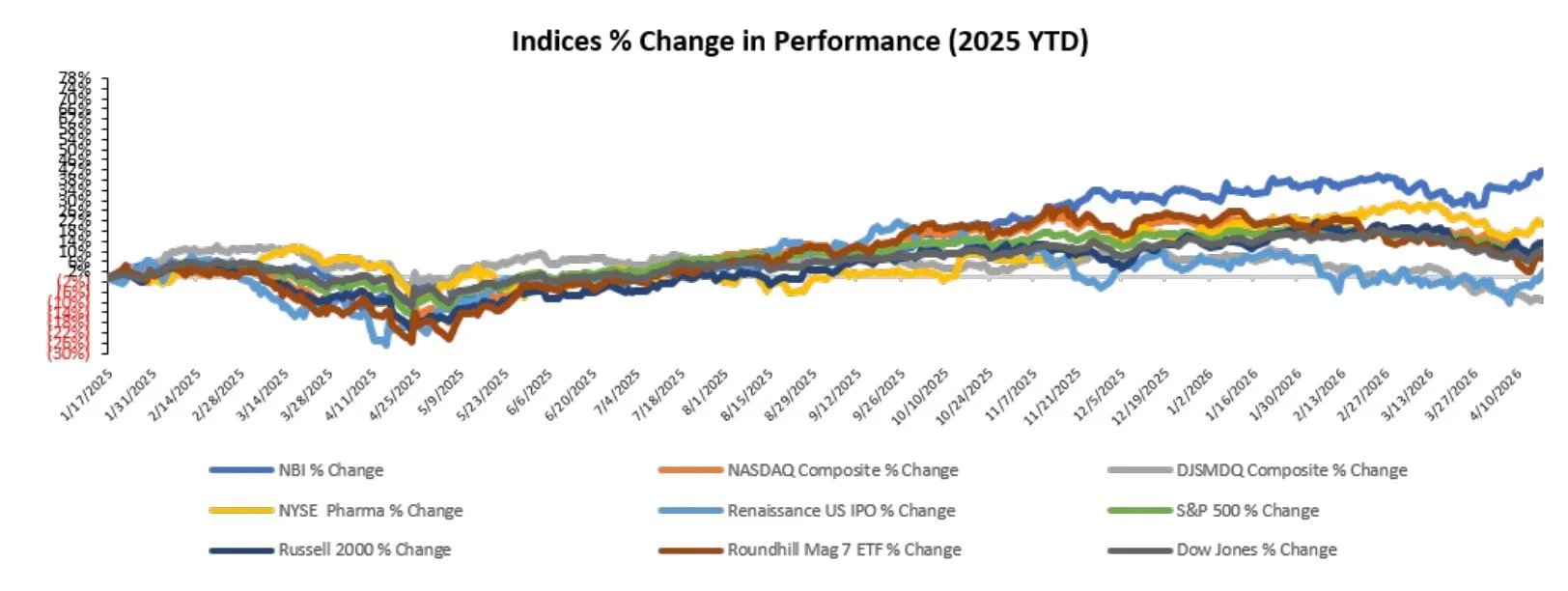
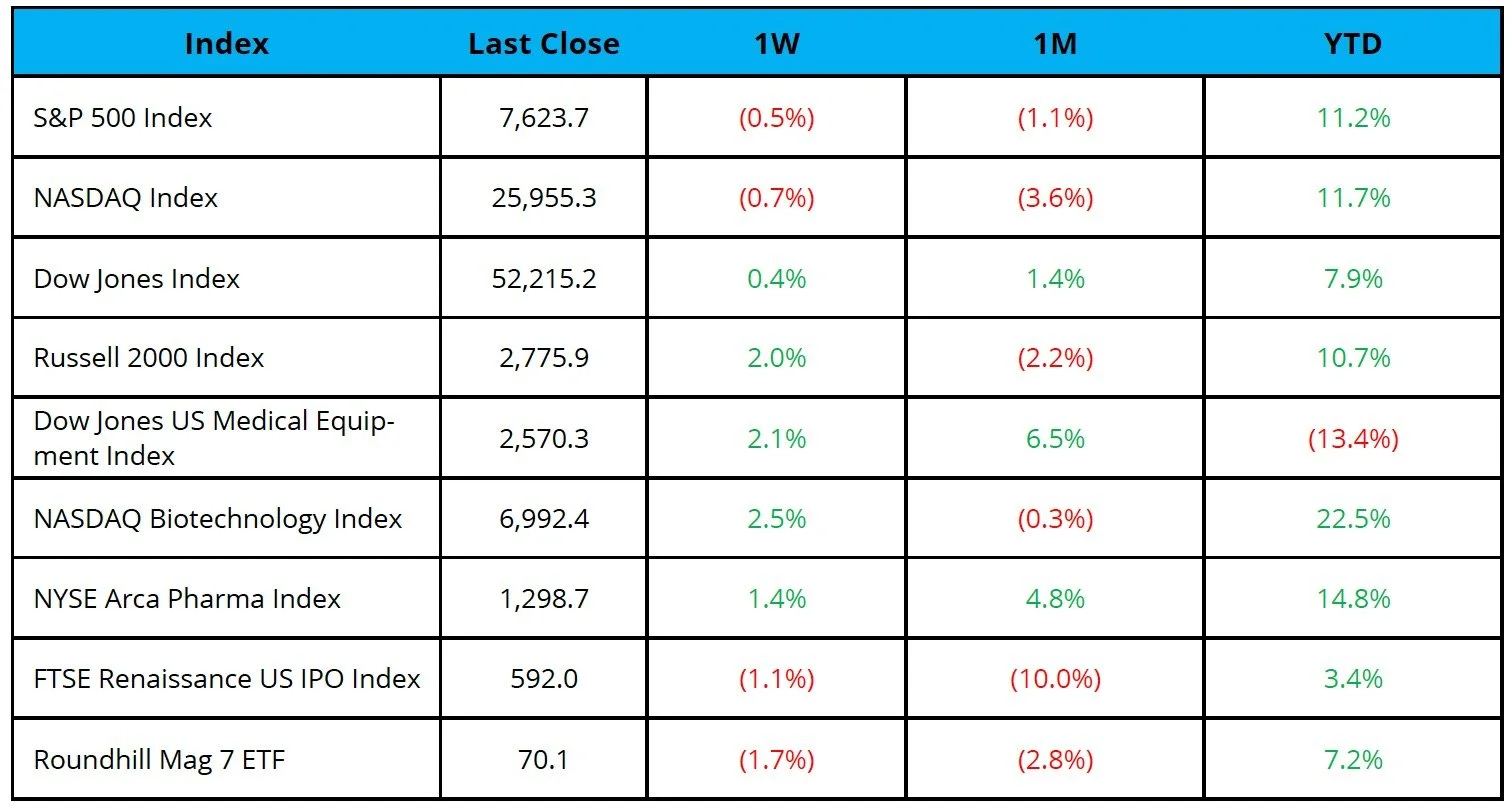
The Nasdaq fell 0.7% and the S&P 500 declined 0.5% last week; the Dow rose 0.4%.
Biotechnology outperformed the broader growth market, while the Russell 2000 gained 2.0%. This divergence warrants monitoring alongside the approach of the November 3 midterm elections. Election-related uncertainty may affect issuance timing, but clinical catalysts and financing conditions remain the more immediate drivers of biotechnology valuations.
The NYSE Pharma Index rose 1.4% and the NBI rose 2.5%.
Notable change in share price:
Moderna (NASDAQ: MRNA): Shares fell 17.6% on October 22 after Phase 3 INTerpath-001 data for its personalized mRNA melanoma vaccine, intismeran autogene, in combination with Merck's Keytruda leaked ahead of ESMO 2026. Despite demonstrating a 42% reduction in recurrence or death and a 38% reduction in distant metastasis or death versus Keytruda alone, results fell short of heightened investor expectations following the stock's substantial rally
Rapport (NASDAQ: RAPP): Shares fell 14.7% on October 21 following positive Phase 2 results for RAP-219 in acute bipolar mania, which met its primary endpoint but demonstrated a modest 3.1-point placebo-adjusted improvement in mania severity (p=0.045), raising concerns about clinical competitiveness despite favorable tolerability and plans to advance into Phase 3
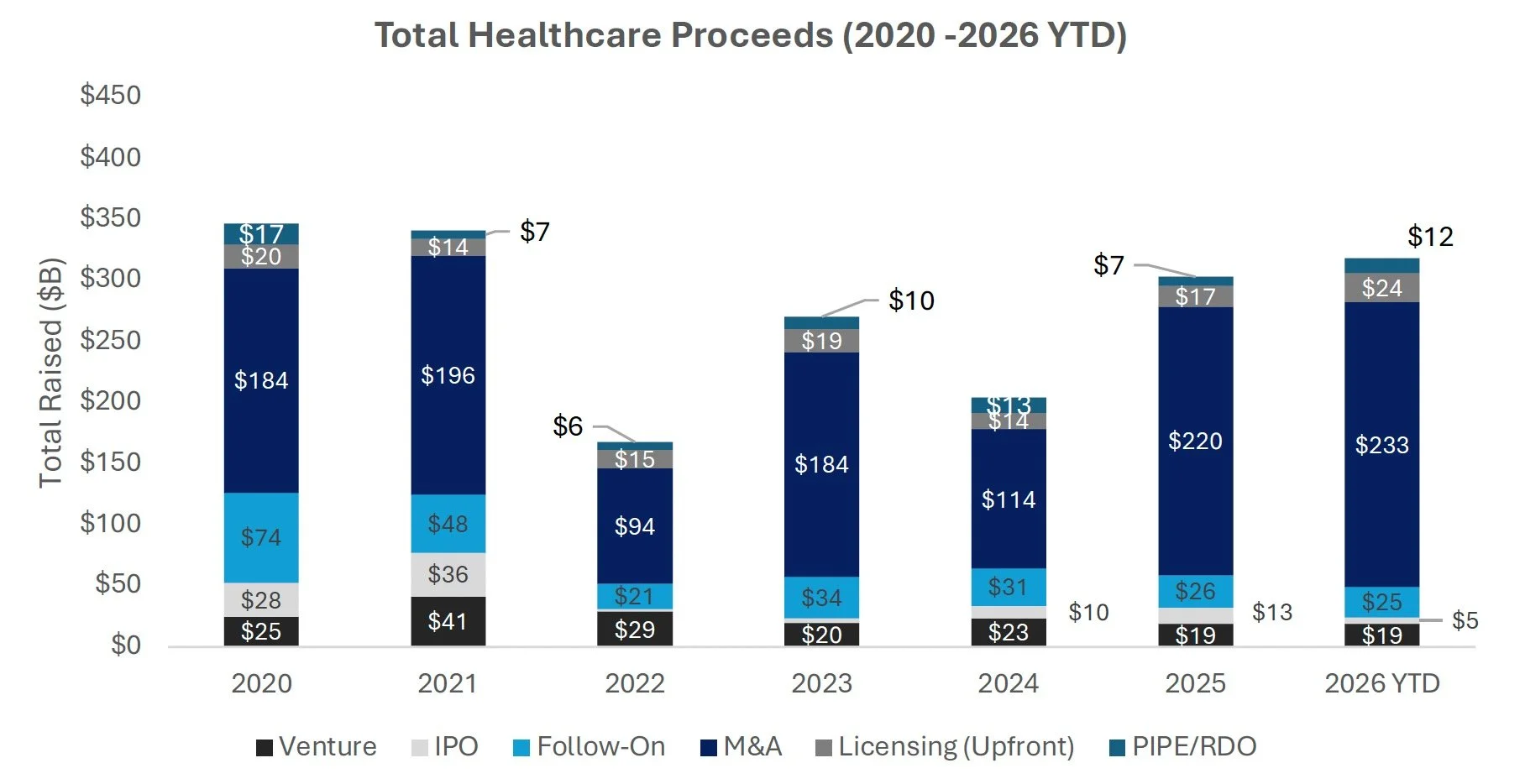
Sources: Pitchbook, Biomedtracker, and CapIQ
Equity Markets
IPO
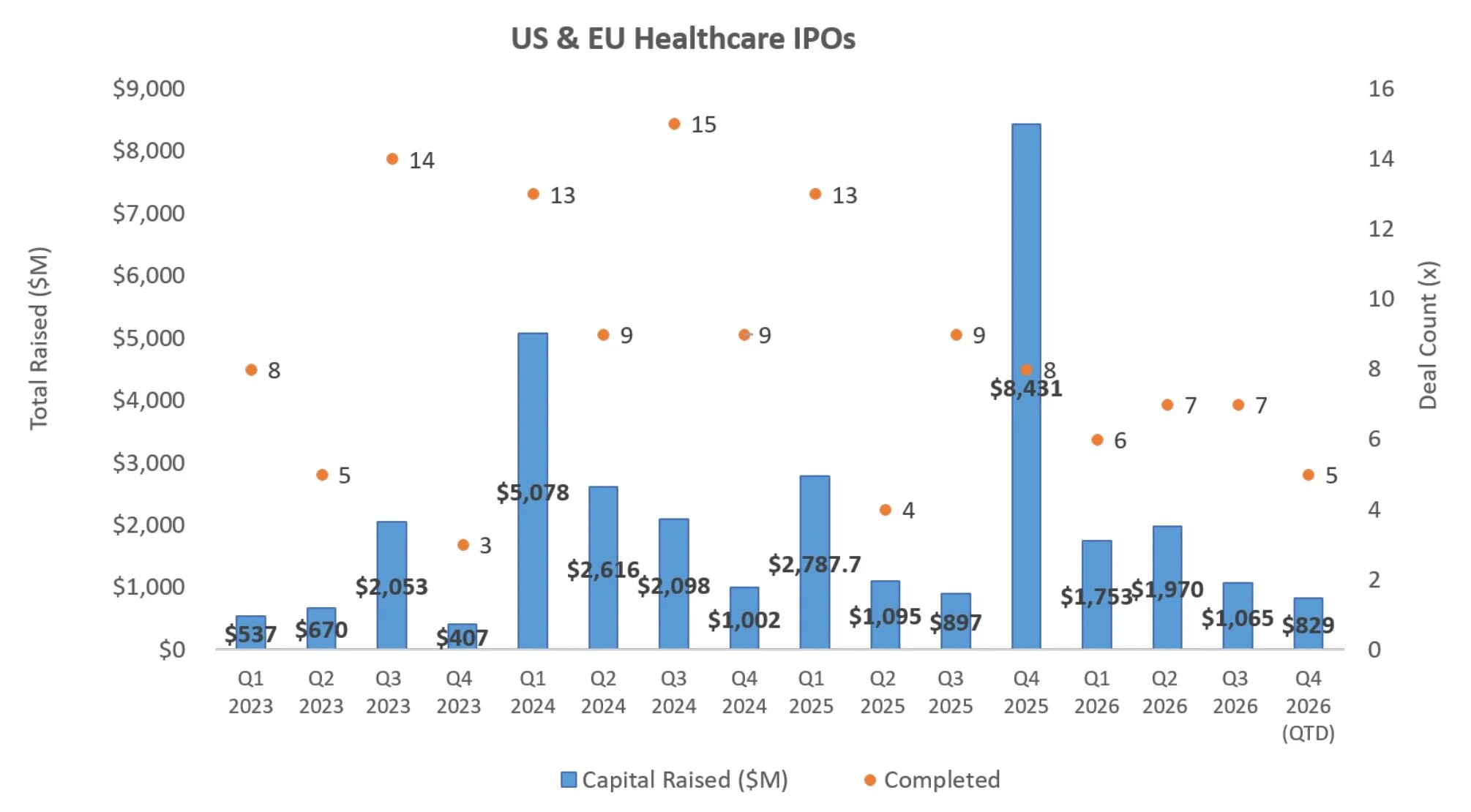
Lycia’s upsized offering provides a more informative signal than IPO proceeds alone: investor demand supported a sizeable early-clinical-stage financing during a negative week for the Nasdaq. Subsequent trading and the ability to raise follow-on capital will determine whether this appetite extends beyond a small number of issuers.
There was one healthcare IPO priced last week:
Lycia Therapeutics (NASDAQ: LYCA) raised $317.5M in an upsized IPO to advance its LYTAC extracellular protein degradation platform, including clinical development of IgE-targeting LCA-0061 and LCA-0062 in allergic diseases and LCA-0321 in Graves’ disease, as well as support broader R&D, working capital, and general corporate purposes
Source: CapIQ
Follow On
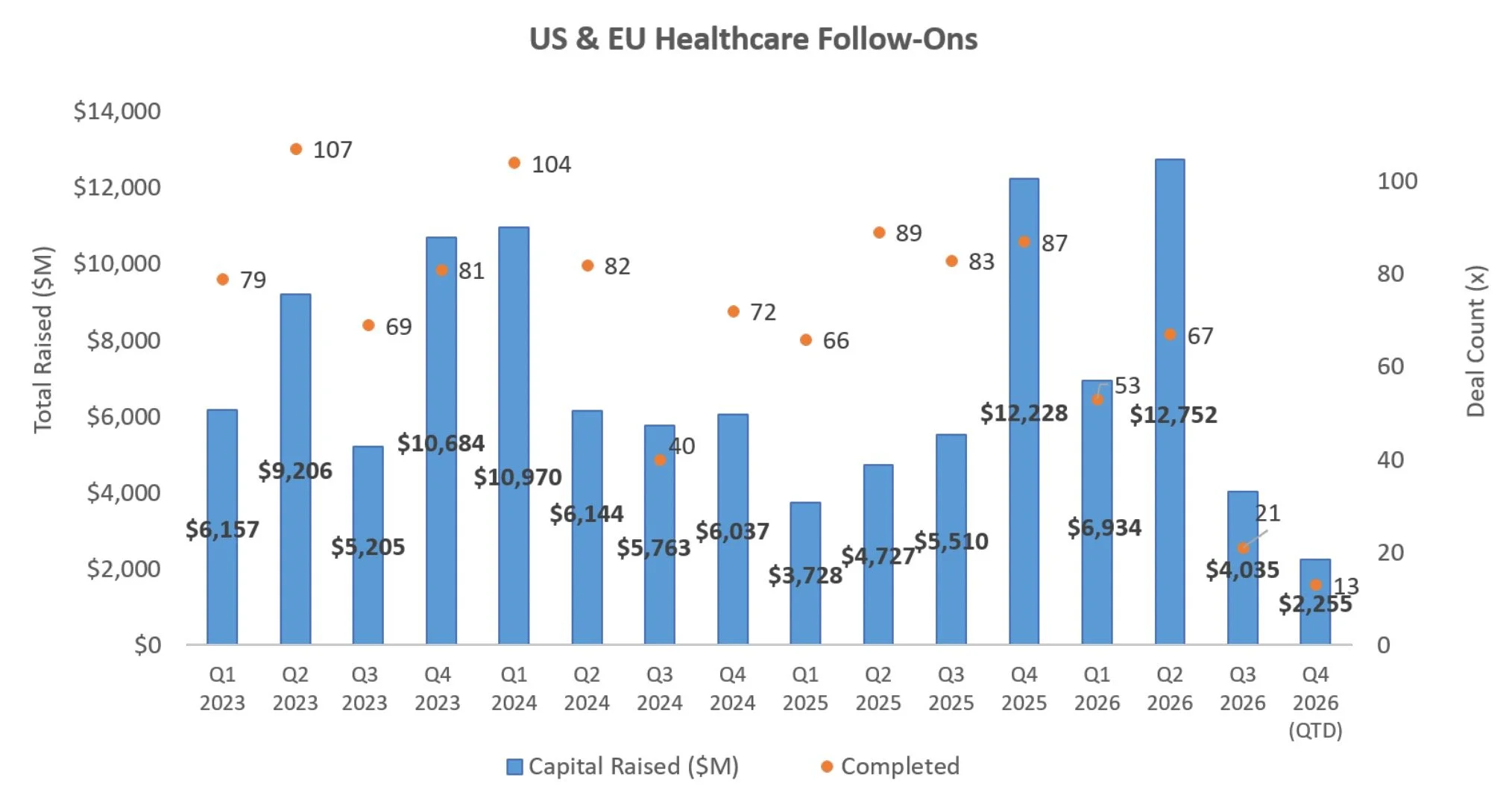
Disc Medicine moved rapidly to finance development and commercial preparation following positive pivotal data. Arcus raised capital against an ongoing oncology development program. The distinction is the risk being underwritten: a late-stage commercialization transition in one case and continued clinical execution in the other.
Three follow-on offerings were reported totaling $740M.
Disc Medicine (NASDAQ: IRON) raised $450M in an upsized public offering following positive Phase 3 APOLLO data for bitopertin to fund research and clinical development across its hematology pipeline, support potential commercialization of bitopertin in erythropoietic protoporphyria and X-linked protoporphyria, and fund additional pre-commercialization activities, working capital, and general corporate purposes
Arcus Biosciences (NYSE: RCUS) raised $250M in a public offering to fund ongoing R&D, including expansion and acceleration of the clinical development program for casdatifan, its HIF-2α inhibitor being developed in renal cell carcinoma, as well as working capital, operating expenses, and other general corporate purposes
Source: Biomedtracker
PIPE/RDO
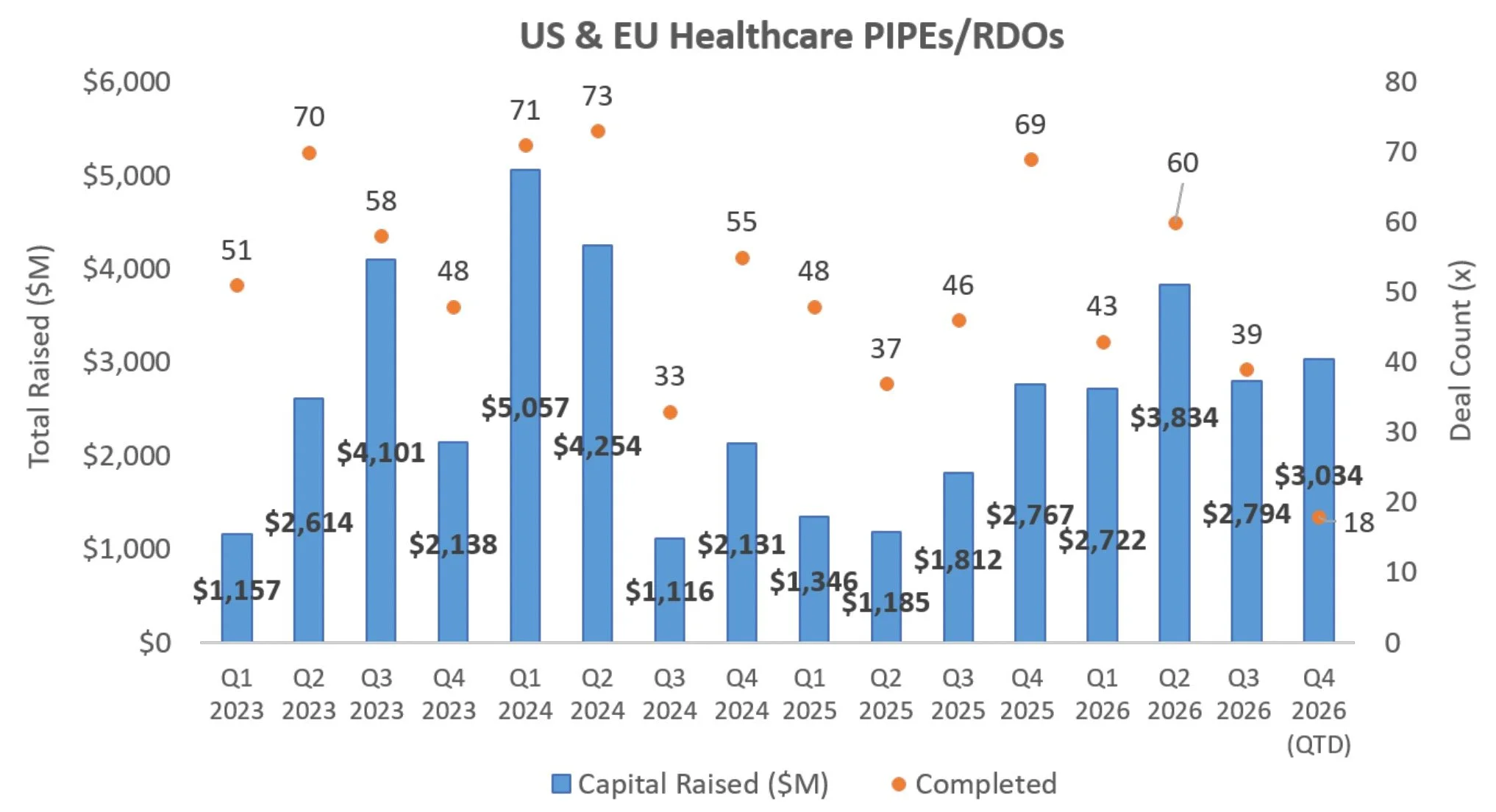
The notable feature was the connection between private capital and corporate combinations. TriGemX and Bolt paired proposed business combinations with committed financing, allowing investors to assess the incoming assets and capital structure together. These are not directly comparable with routine runway-extending placements.
Four PIPE/RDO transactions were reported totaling $300M.
TriGemX Bio / TCGX Acquisition Corp. (NASDAQ: TCGX) announced a $160M PIPE concurrent with their proposed business combination, with proceeds expected to fully fund Phase 3 development of elismetrep, a potential first-in-class acute migraine therapy, and support commercial readiness activities ahead of a potential US launch; investors included TCGX, Viking Global Investors, ADAR1 Capital Management, BVF Partners, Samsara BioCapital, and Vianti Capital, among other healthcare investors
Bolt Biotherapeutics (NASDAQ: BOLT) announced a $120M private placement concurrent with its acquisition of Prana Therapies, with potential for an additional $60M from warrant exercises, to advance PRA-216 through Phase 2 development in asthma, COPD, atopic dermatitis, and eosinophilic esophagitis, progress a second program toward first-in-human development and support its broader discovery platform and general corporate purposes; investors included Deep Track Capital, ADAR1 Capital, Andreessen Horowitz, LYFE Capital, Eventide, Casdin, Curie.Bio, SilverArc, Soleus, and others
Licensing
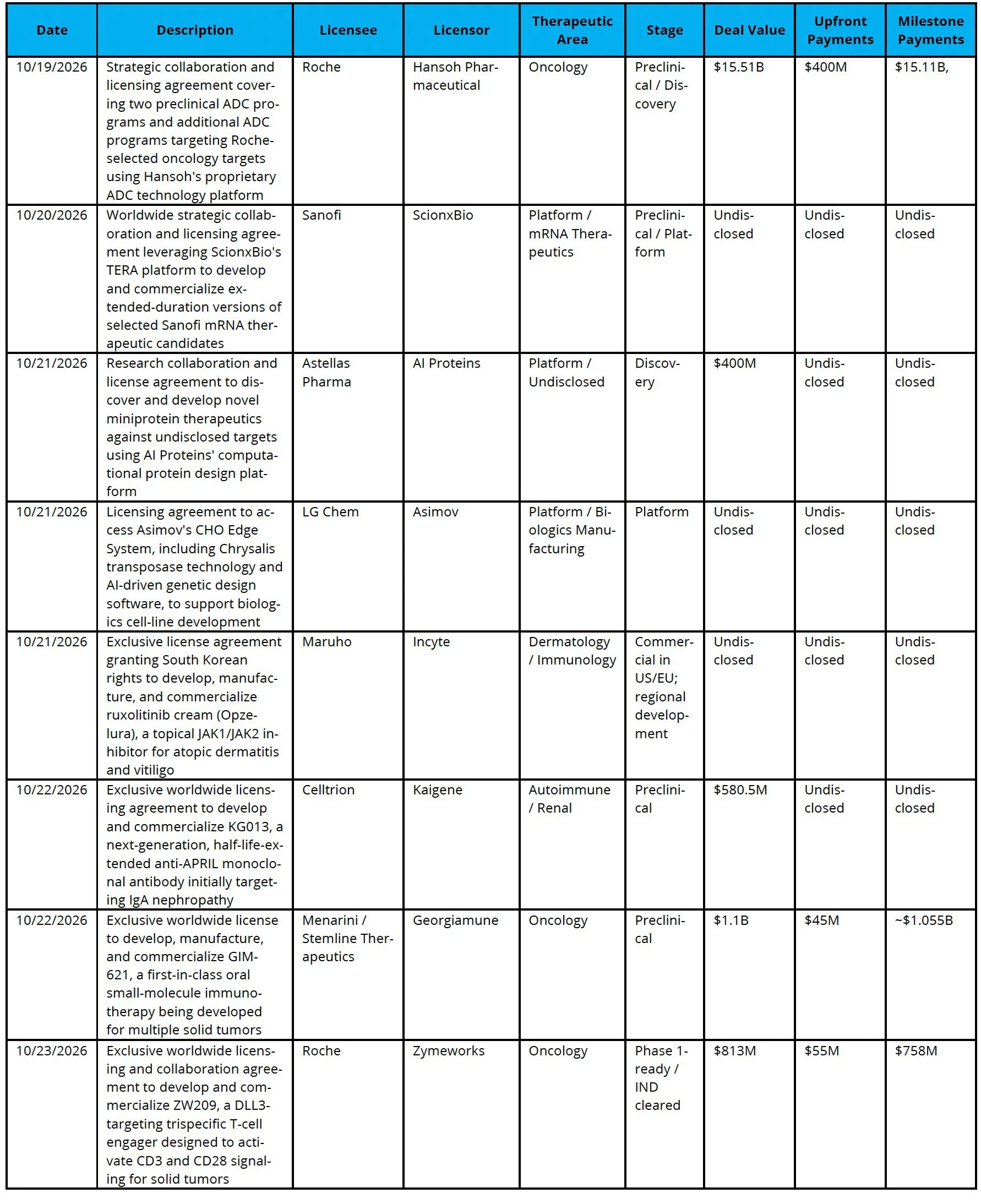
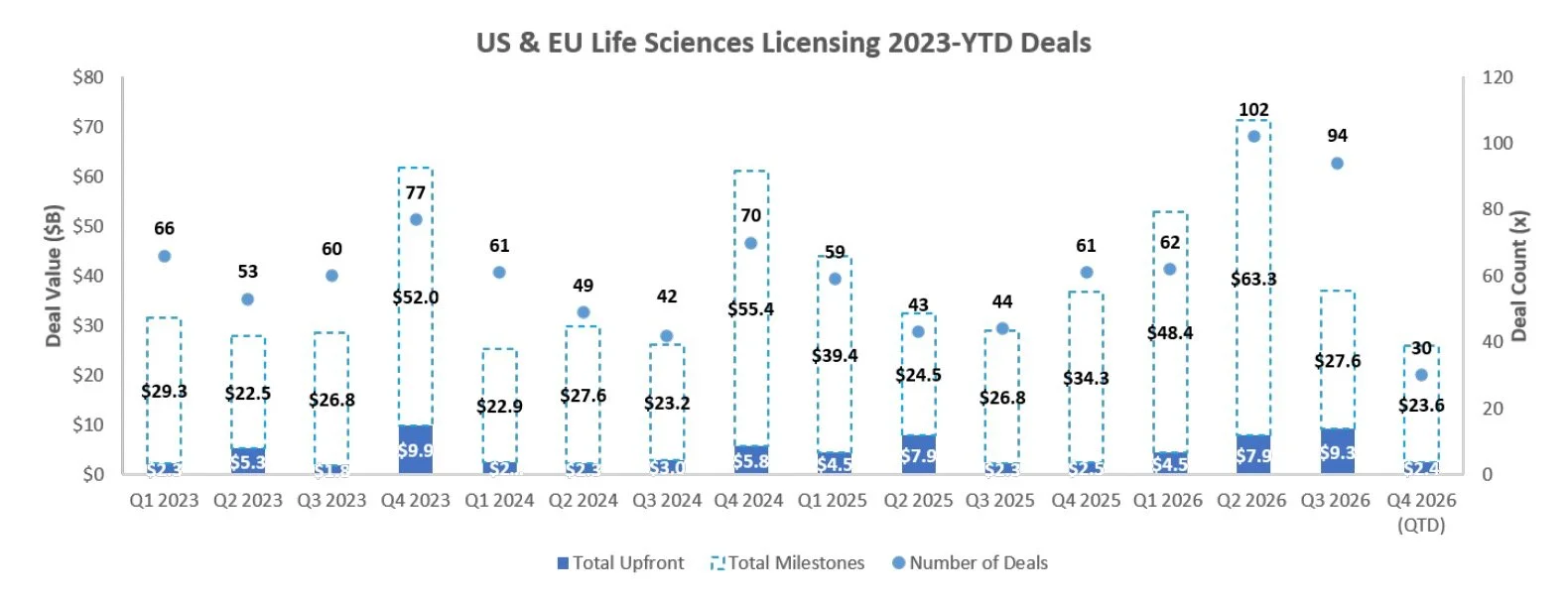
Recent collaborations illustrate the difference between headline transaction value and cash committed at signing. Roche’s Hansoh agreement includes a substantial upfront payment, with much larger contingent milestones; its Zymeworks agreement similarly allocates future consideration to development progress. For licensors, upfront proceeds, development obligations, and retained rights matter more than the maximum announced value.
Sources: Pitchbook, Biomedtracker, and CapIQ
Sources: Pitchbook, Biomedtracker, and CapIQ
M&A
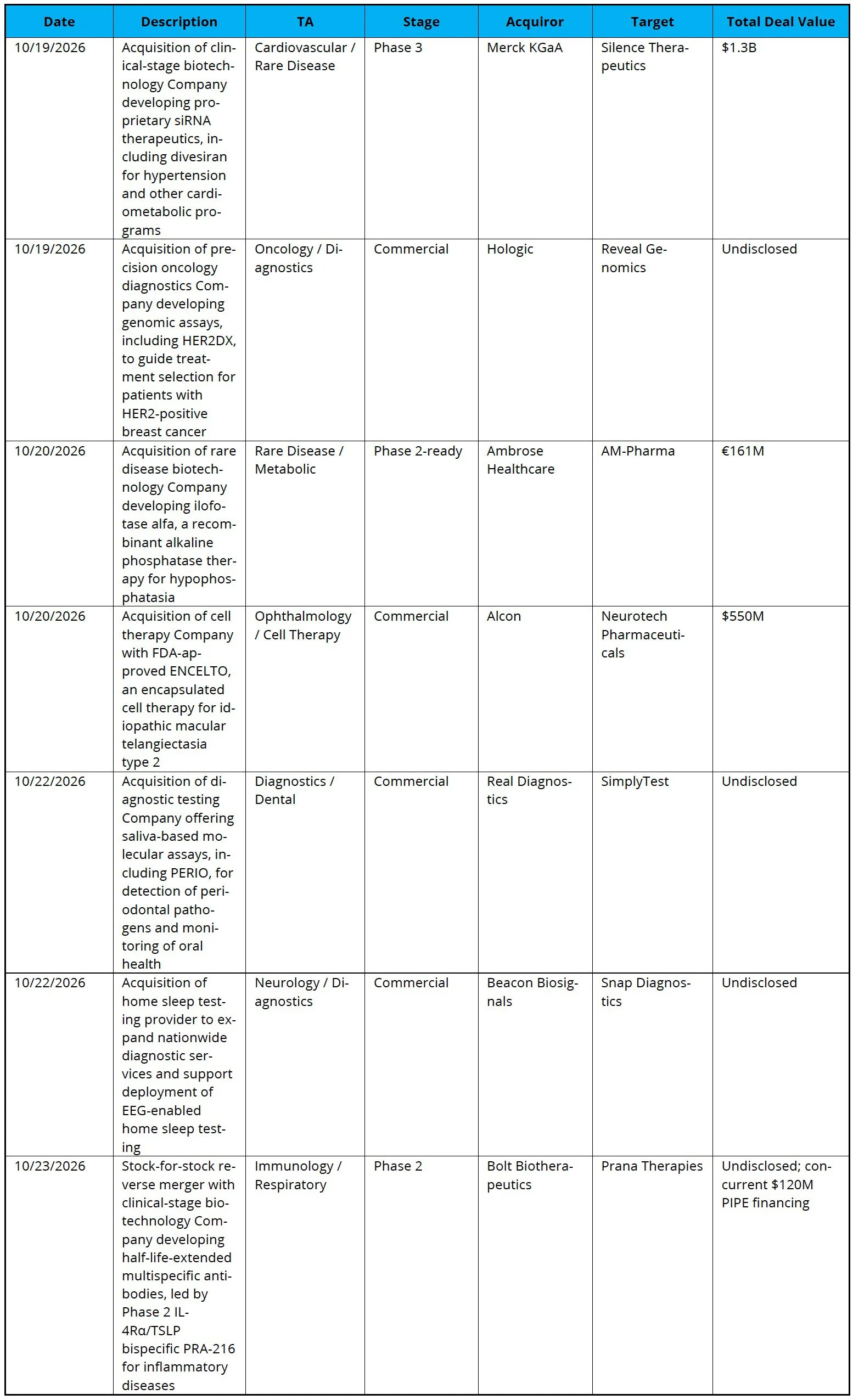
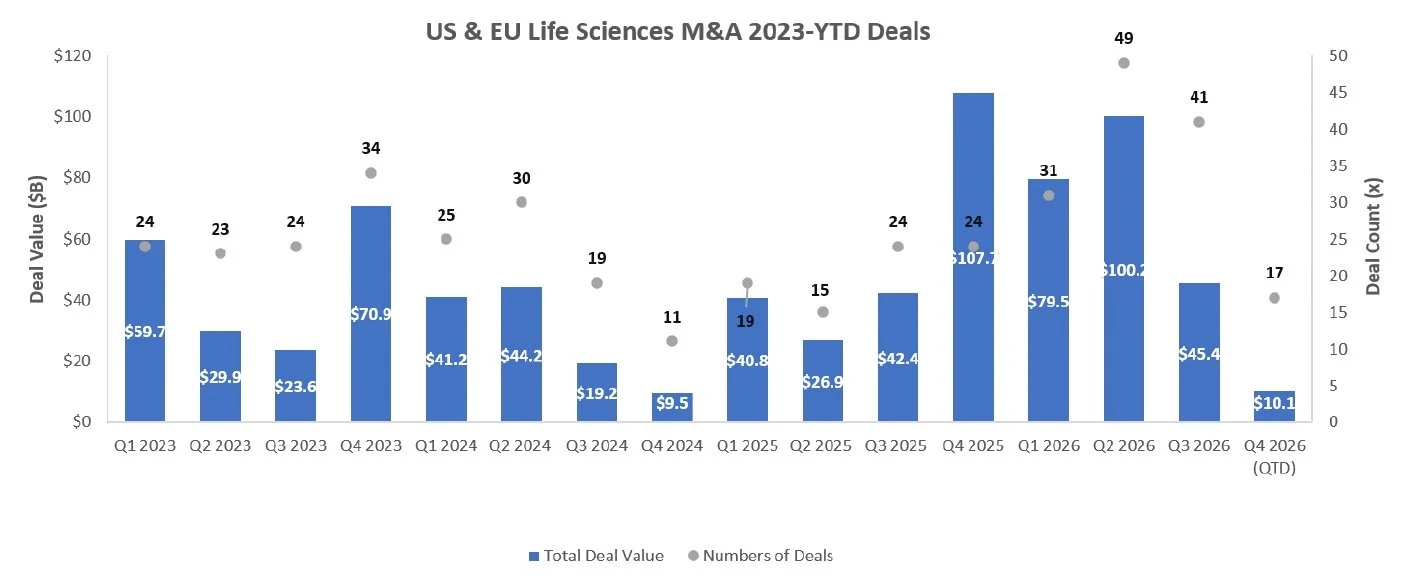
Merck KGaA’s proposed acquisition of Silence Therapeutics highlights the potential gap between strategic and public-market valuations of clinical assets. Alcon’s Neurotech acquisition adds an approved ophthalmic therapy, while Hologic’s Reveal Genomics transaction expands diagnostics capabilities. Bolt/Prana should be viewed separately as a financing-supported business combination rather than a conventional strategic acquisition.
Venture Financing
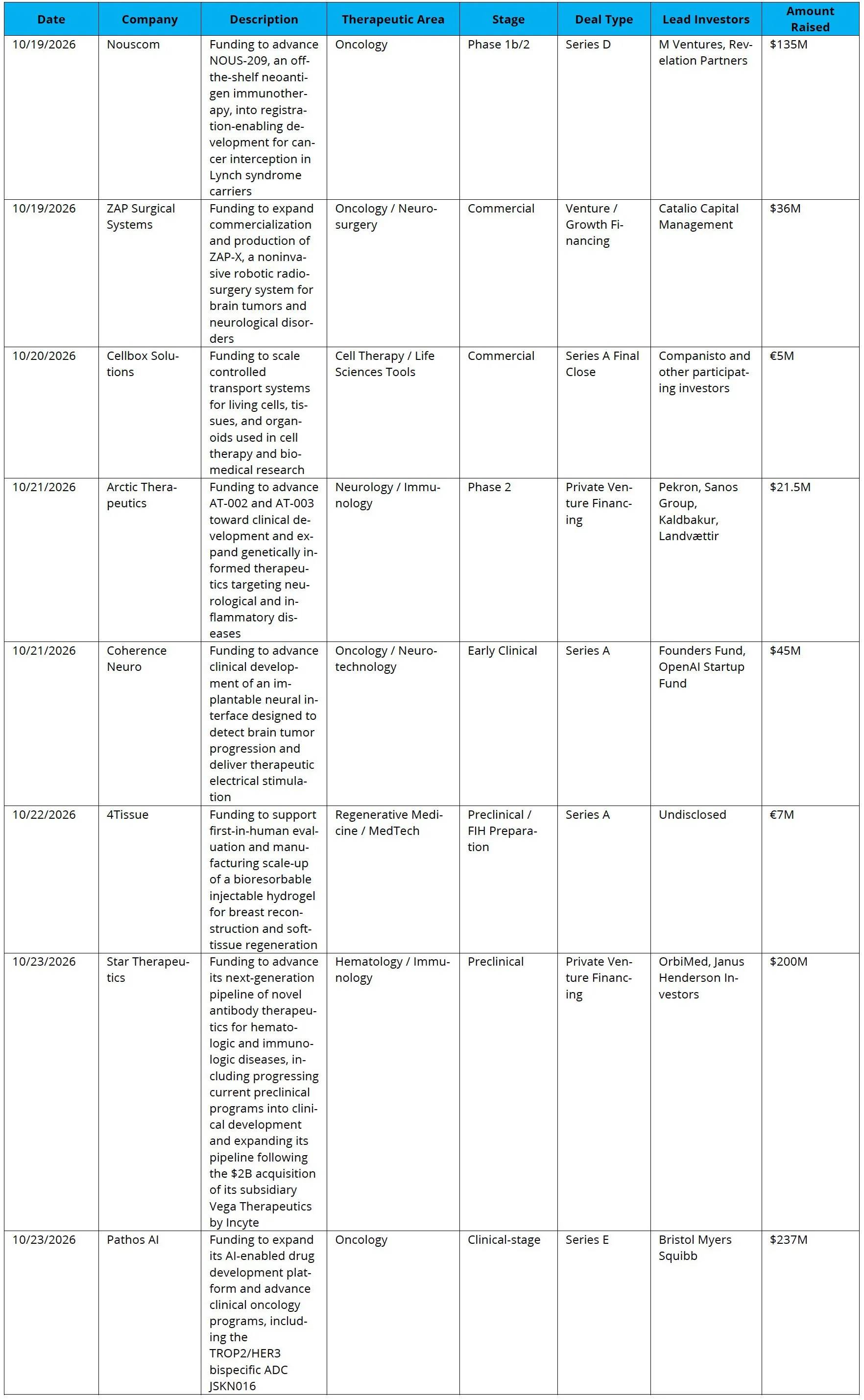
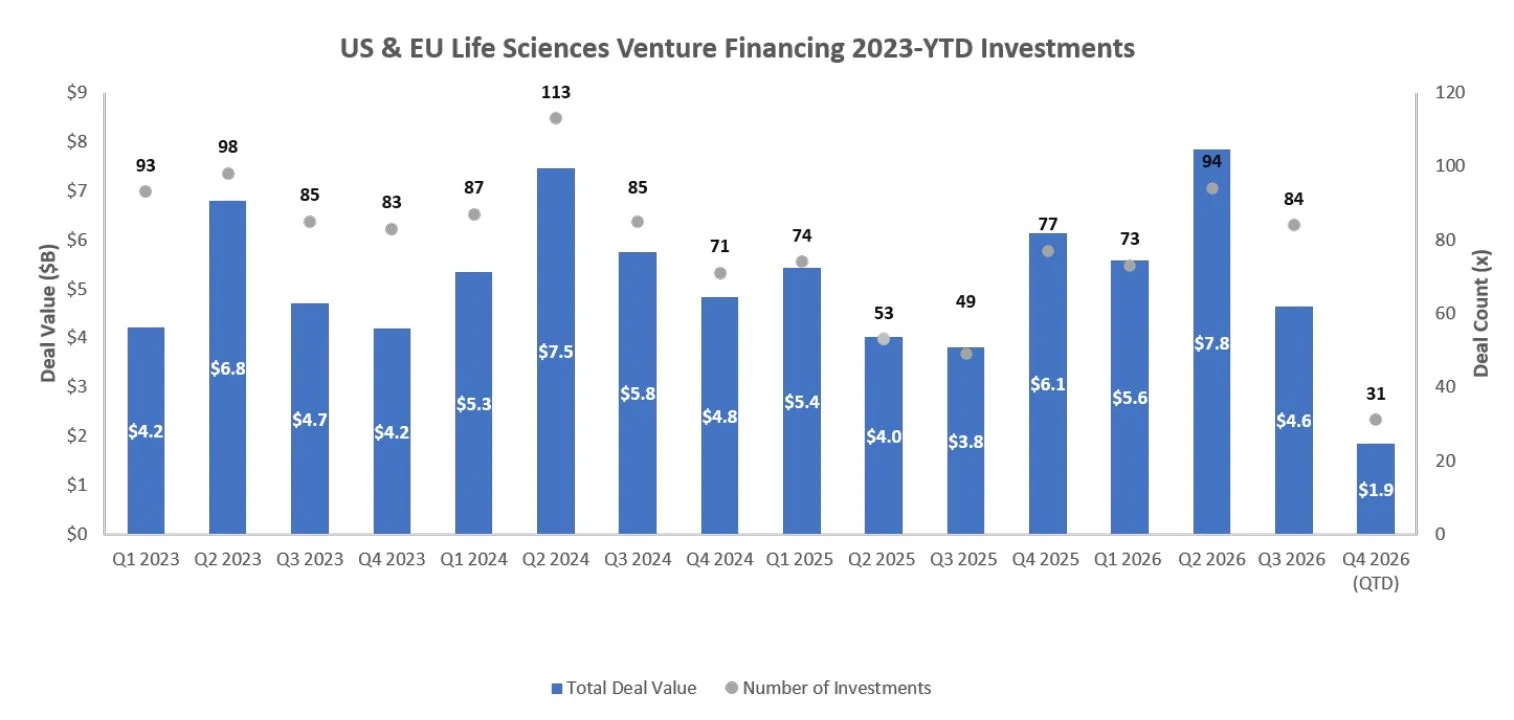
The week’s financings span preclinical platforms, clinical development and commercial-stage technology. Star Therapeutics is notable for raising new capital after the sale of subsidiary Vega Therapeutics to Incyte: an asset-level exit can support continued development without requiring a sale of the parent company. Nouscom and Pathos AI provide different examples of capital committed to defined clinical programs.
The Case for a New Generation of Oral Therapies in Inflammatory Bowel Disease
Back Bay Life Science Advisors and Nimbus Therapeutics
Despite advances in the treatment of inflammatory bowel disease (IBD), many patients with moderate-to-severe ulcerative colitis (UC) and Crohn’s disease continue to experience inadequate disease control with available biologics and targeted therapies.

HEALTHCARE MARKET REPORTS ARCHIVE
-
-
-
-
-
-
-
April 17, 2026
April 24, 2026 -
-
-
-
-
-
-
-
-
-
-
-
-
-
-
About DNB Carnegie Back Bay
DNB Carnegie Back Bay drives global healthcare growth and innovation by providing a full range of strategic advisory and financing capabilities along the continuum of life science and healthcare company development. The DNB Carnegie Back Bay Healthcare Partnership is a marketing term referring to a strategic agreement between DNB Markets, Inc. and Back Bay Life Science Advisors. More information about the DNB Carnegie Back Bay Healthcare Partnership can be found here.
Securities products and services are offered in the US through DNB Carnegie, Inc., a US-registered broker-dealer and a separately incorporated subsidiary of DNB Bank ASA. DNB Carnegie, Inc. is a member of the Financial Industry Regulatory Authority (“FINRA”) and the Securities Investor Protection Corporation (“SIPC”). Securities products and services are offered in the European Economic Area through DNB Carnegie.