

Week of October 2, 2026
The Week at a Glance:
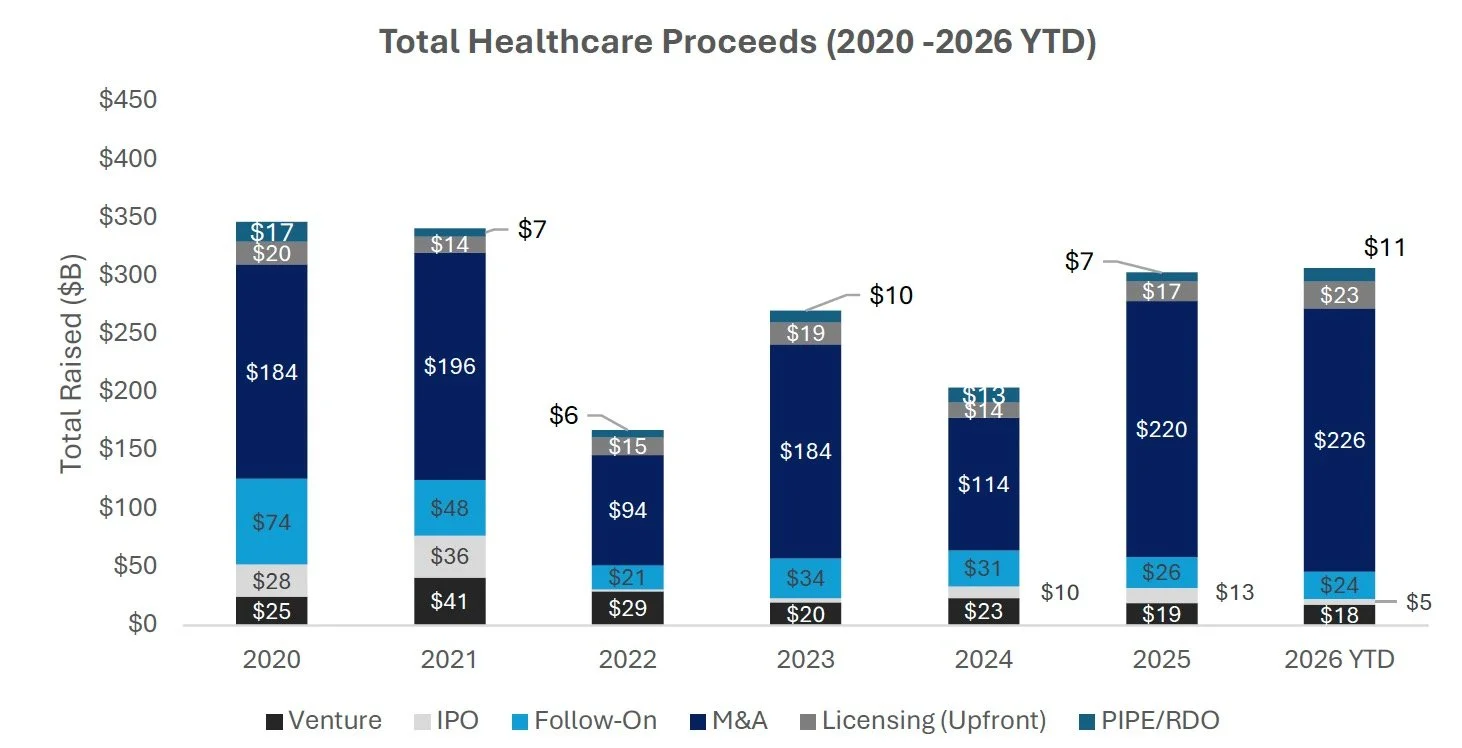
Healthcare capital markets were mixed this week, with sector equities declining despite continued strength in strategic and public financing activity. The NBI and Pharma Index fell 1.7% and 3.1%, respectively, even as large pharma committed substantial upfront capital across several multibillion-dollar licensing and strategic investment transactions. Public financing also remained open, with five follow-ons raising $357M and AstraZeneca investing $2B in Summit. Overall, capital continues to be available for differentiated assets, although public-market performance remains selective and highly catalyst-driven.
Healthcare Equities Decline Amid Continued Clinical Dispersion: The NBI fell 1.7% and the Pharma Index 3.1%, while company-specific clinical catalysts continued to drive significant dispersion, including Kodiak (+~198%) and uniQure (-~39%).
Large Pharma Commits More Upfront Capital to Pipeline-Building BD: Sanofi, Novartis, Merck, and Novo committed approximately $2.3B of disclosed upfront capital across immunology, oncology, and obesity transactions, a notable step-up from the more heavily back-ended platform deals seen in recent weeks.
Strategic Investment Emerges as a Larger Financing Channel: AstraZeneca invested $2B in Summit alongside an ivonescimab clinical collaboration, illustrating how pharma can secure strategic exposure to differentiated assets without acquiring the company outright.
Markets Overview
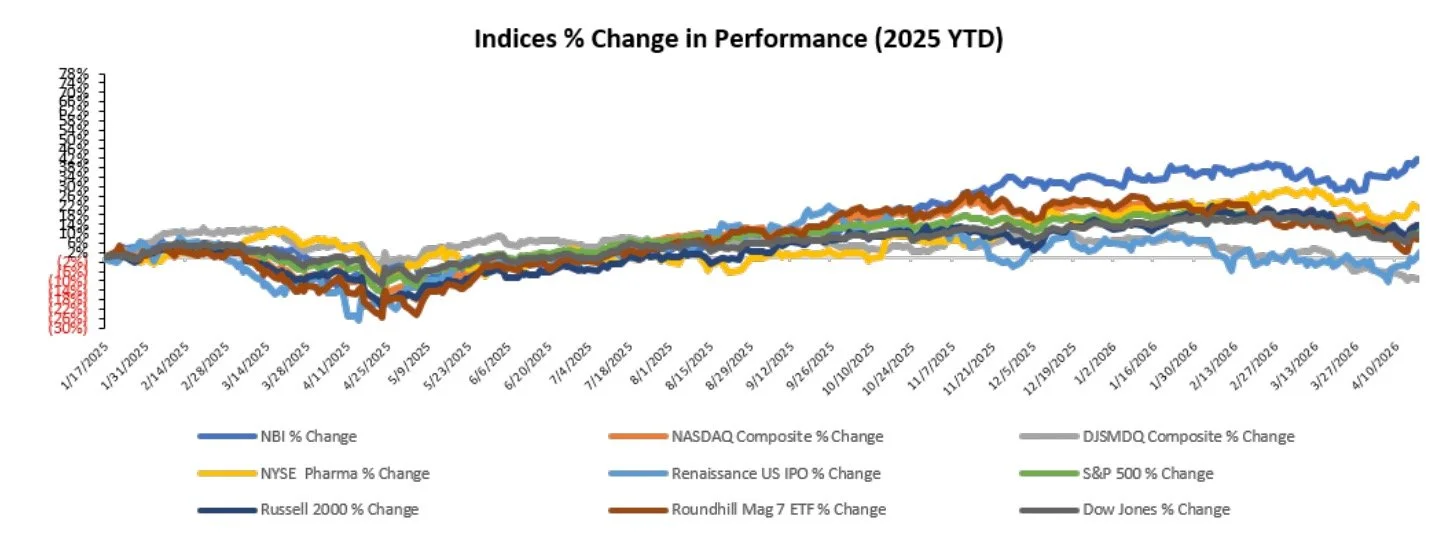
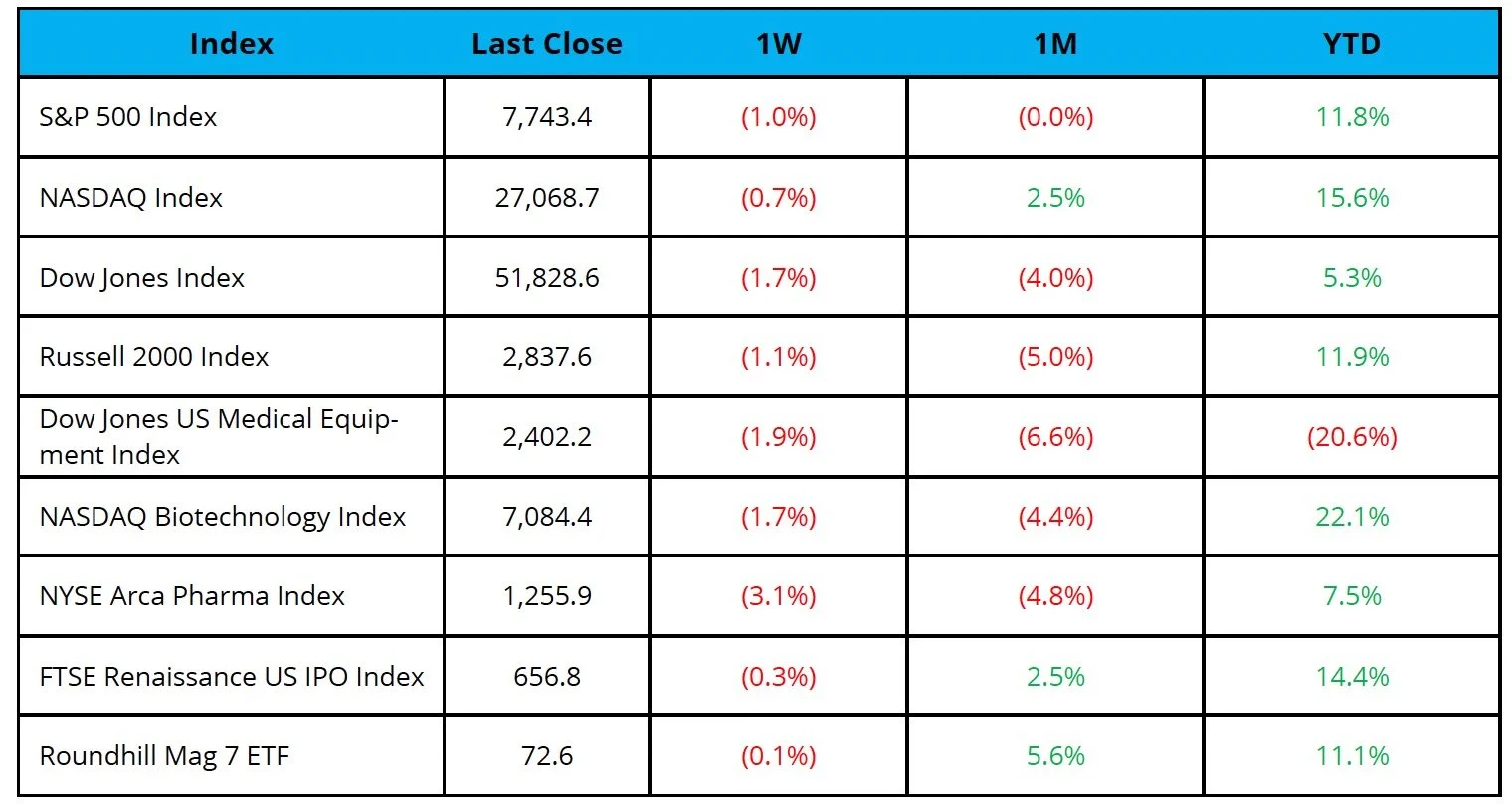
The Nasdaq was down 0.7%, and the S&P 500 and Dow were down 1.7% and 1.0%, respectively, over the last week
Risk appetite weakened broadly, with healthcare underperforming: the S&P 500, Nasdaq, and Russell 2000 declined 1.0%, 0.7%, and 1.1%, respectively, while the NBI fell 1.7%, Pharma 3.1%, and Medical Equipment 1.9%. Despite the pullback, the NBI remains up 22.1% YTD versus 11.8% for the S&P 500.
The NYSE Pharma Index and NBI were down 3.1% and 1.7%, respectively, over the last week
Notable change in share price:
Kodiak Sciences (NASDAQ: KOD): Shares rose ~198% after the Company reported positive Phase 3 DAYBREAK data for Zenkuda in wet AMD, meeting the primary endpoint versus Eylea and supporting a planned BLA submission in Q4
uniQure (NASDAQ: QURE): Shares fell ~39% after additional Phase 1/2 data for AMT-130 in Huntington’s disease showed reduced efficacy at 48 months, with ~44% slowing in disease progression versus 75% at 36 months, raising concerns regarding durability despite the company maintaining that its previously reported 36-month data support regulatory approval
Sources: Pitchbook, Biomedtracker, and CapIQ
Equity Markets
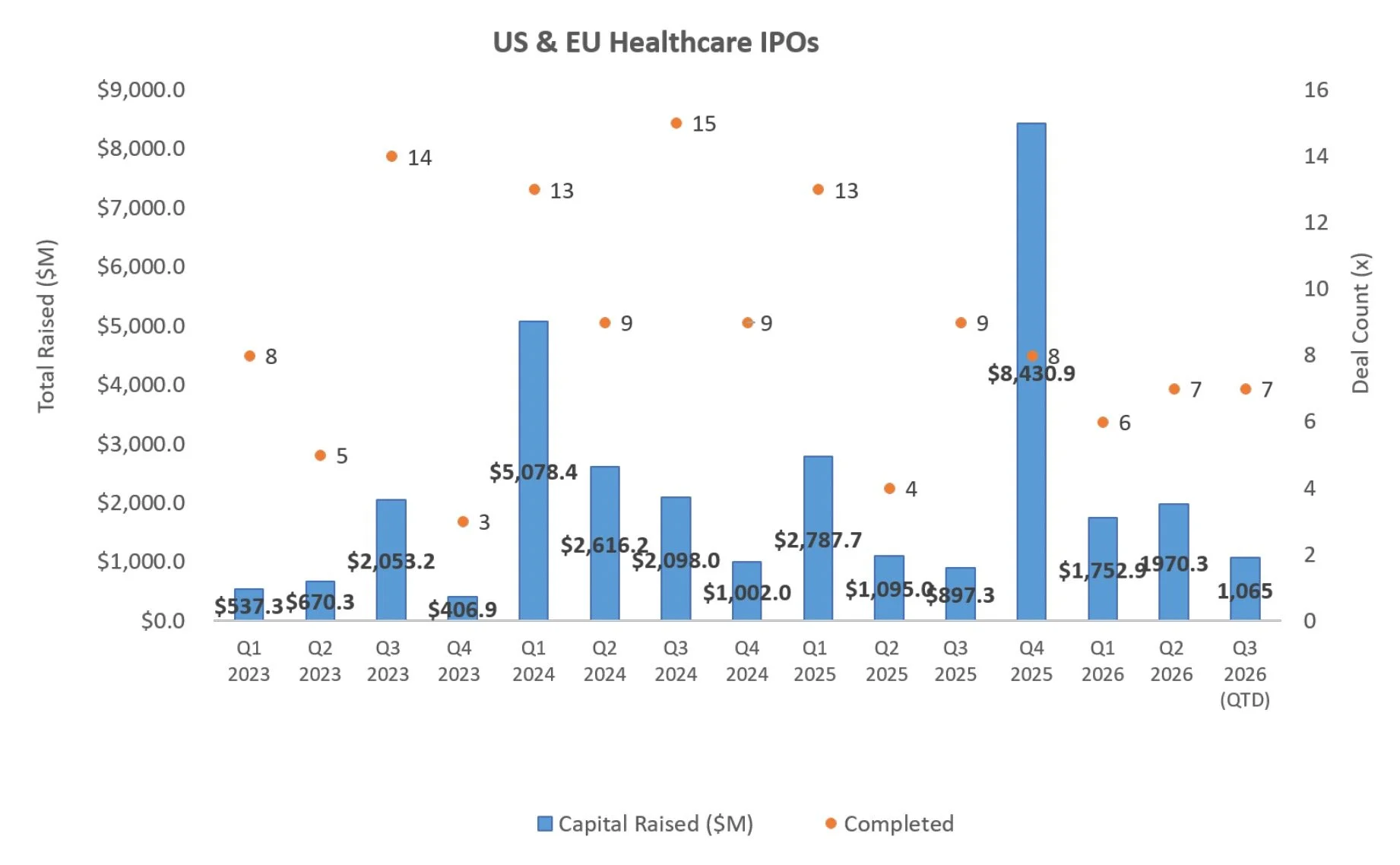
IPO
No new IPOs priced during the past week.
Source: CapIQ
Follow On
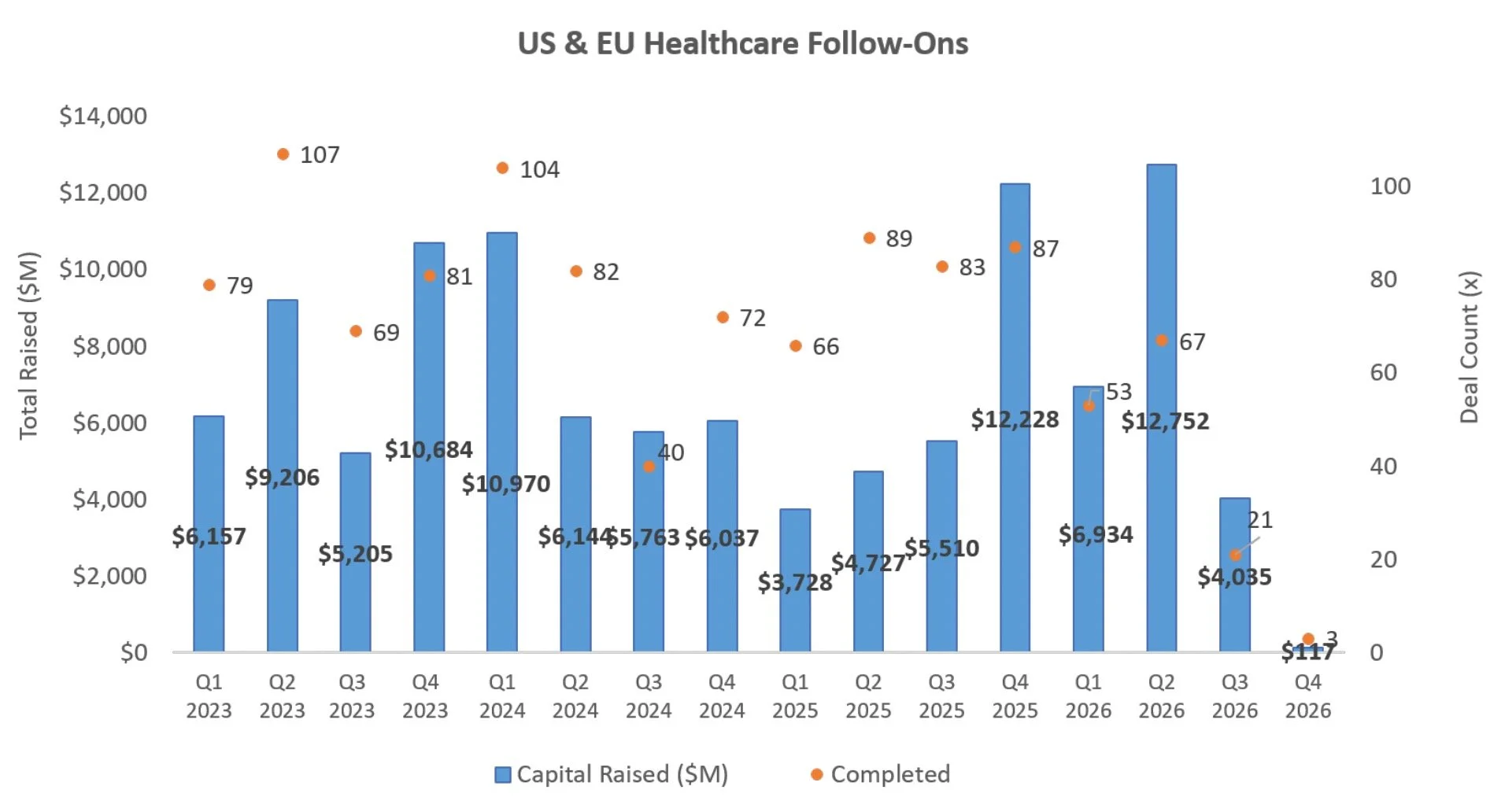
Follow-on activity broadened from a single offering last week to five transactions totaling $357M, demonstrating continued access to public capital despite weaker sector performance. Issuance remained concentrated around clinical catalysts and later-stage development programs rather than broad sector momentum.
There were five follow-on offerings completed or priced last week totaling $357M, including:
Immix Biopharma (NASDAQ: IMMX) raised $125M in a public offering to support continued clinical development of NXC-201, its BCMA-targeted CAR-T therapy for relapsed / refractory AL amyloidosis, as well as working capital and general corporate purposes
Sagimet Biosciences (NASDAQ: SGMT) raised $115M in a public offering to fund Phase 3 development and pre-commercial activities for denifanstat in acne, advance TVB-3567 through Phase 2 development, and progress its topical FASN inhibitor toward IND submission, as well as support other R&D and general corporate purposes
Pyxis Oncology (NASDAQ: PYXS) raised $110M in a public offering, with potential additional proceeds of approximately $172.6M from warrant exercises, to advance micvotabart pelidotin through clinical development, including its planned Phase 3 Headliner trial in recurrent / metastatic HNSCC, support working capital and general corporate purposes
Source: Biomedtracker
PIPE/RDO
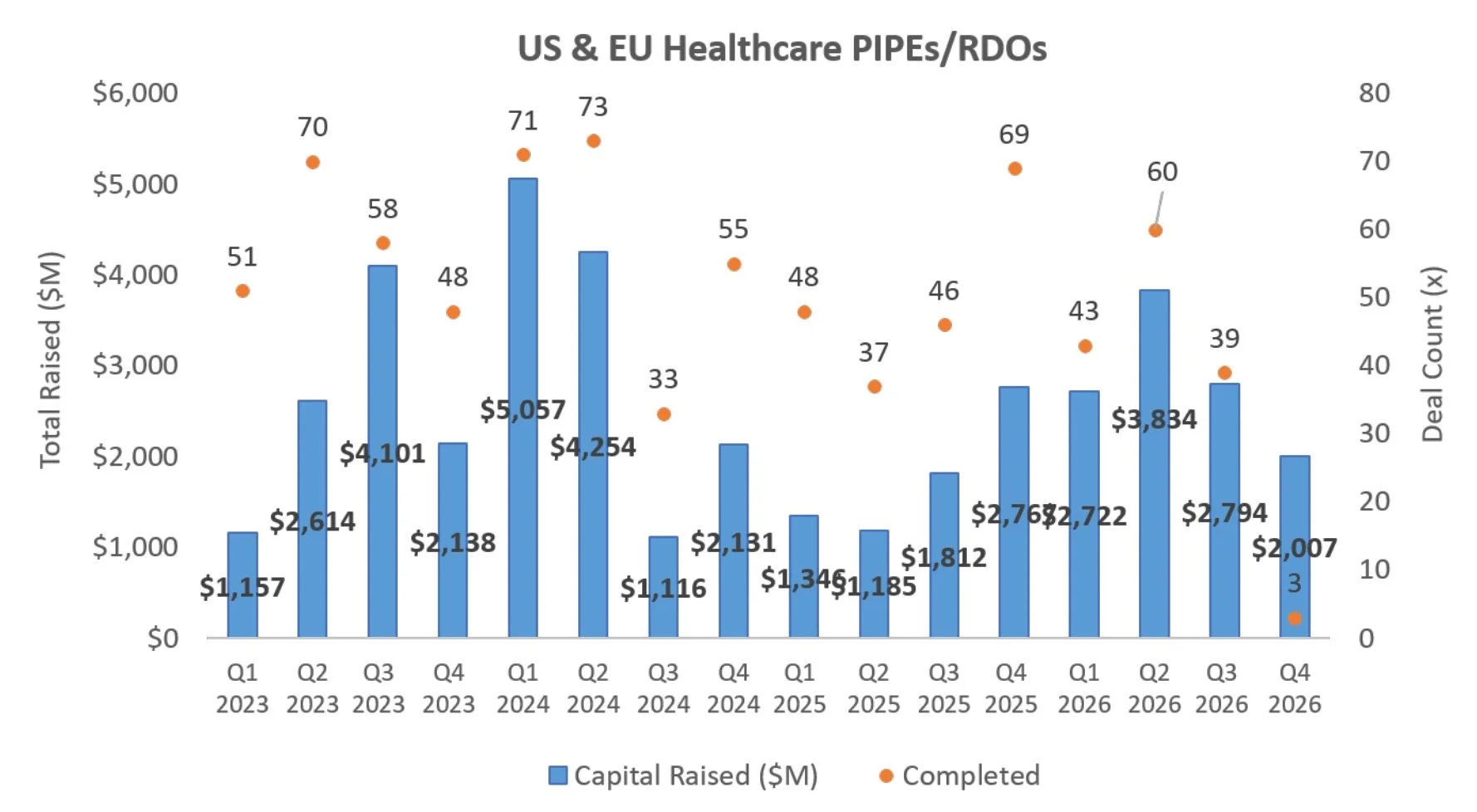
Strategic capital, rather than traditional PIPE activity, drove private financing this week. AstraZeneca’s $2B Summit investment accompanied an ivonescimab clinical collaboration, combining balance-sheet capital with strategic participation in development and providing an alternative to licensing or outright acquisition.
There were three PIPEs / RDOs announced last week totaling approximately $2B, with the majority of the value being driven by one raise:
Summit Therapeutics (NASDAQ: SMMT) raised $2B in a strategic private placement from AstraZeneca, concurrent with a clinical collaboration to evaluate ivonescimab in combination with AstraZeneca oncology assets, providing additional capital to accelerate development of ivonescimab across tumor types
Licensing
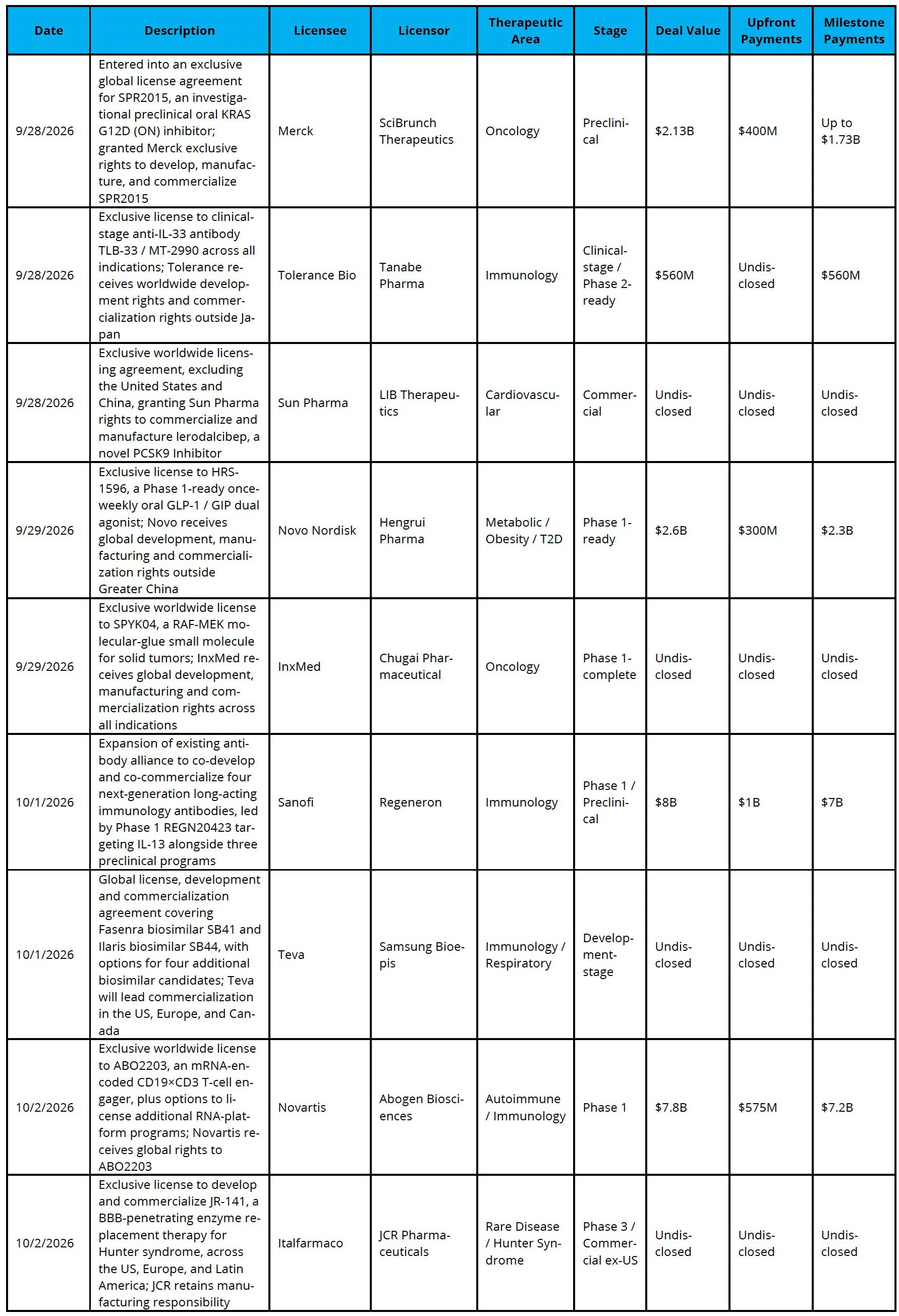
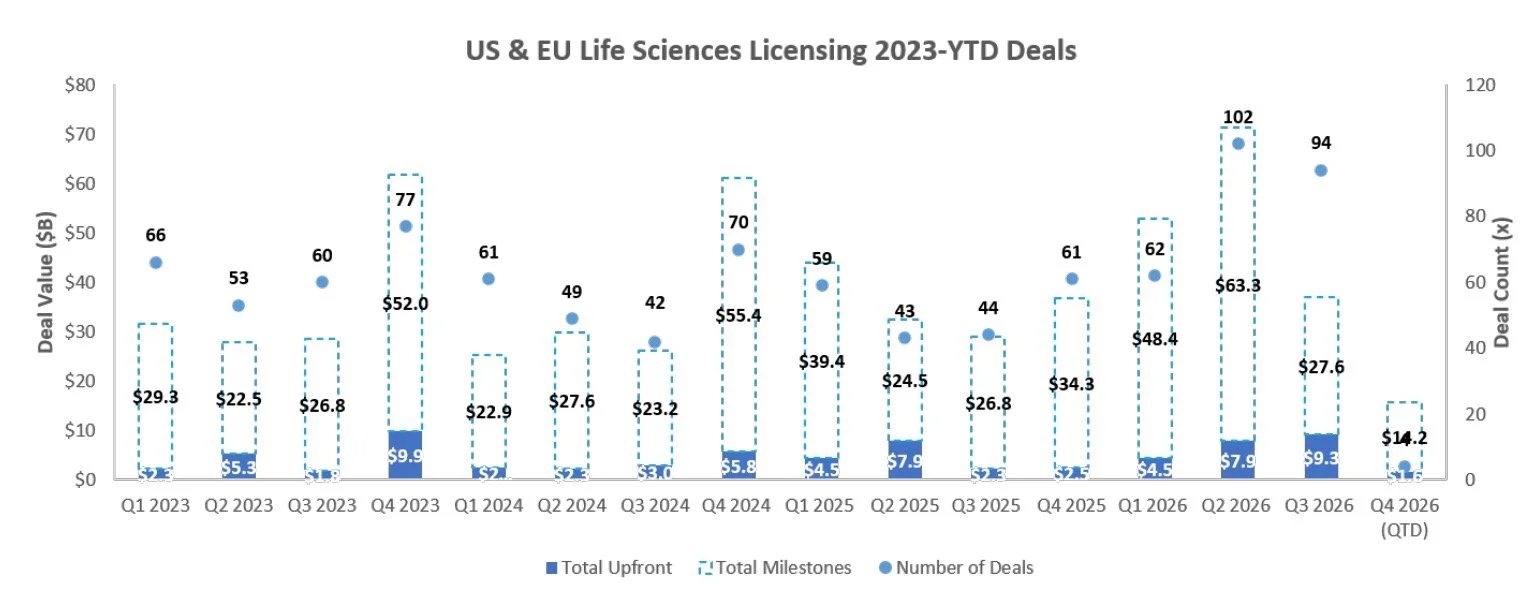
Licensing activity accelerated sharply, with large pharma committing more upfront capital to strategically important pipeline assets. Merck / SciBrunch, Novo / Hengrui, Sanofi / Regeneron, and Novartis / Abogen represented more than $21B of disclosed potential economics and approximately $2.3B of upfront payments across oncology, obesity, and immunology. China-originated innovation was again prominent, reinforcing its growing role in global pharma pipeline formation.
Sources: Pitchbook, Biomedtracker, and CapIQ
Sources: Pitchbook, Biomedtracker, and CapIQ
M&A
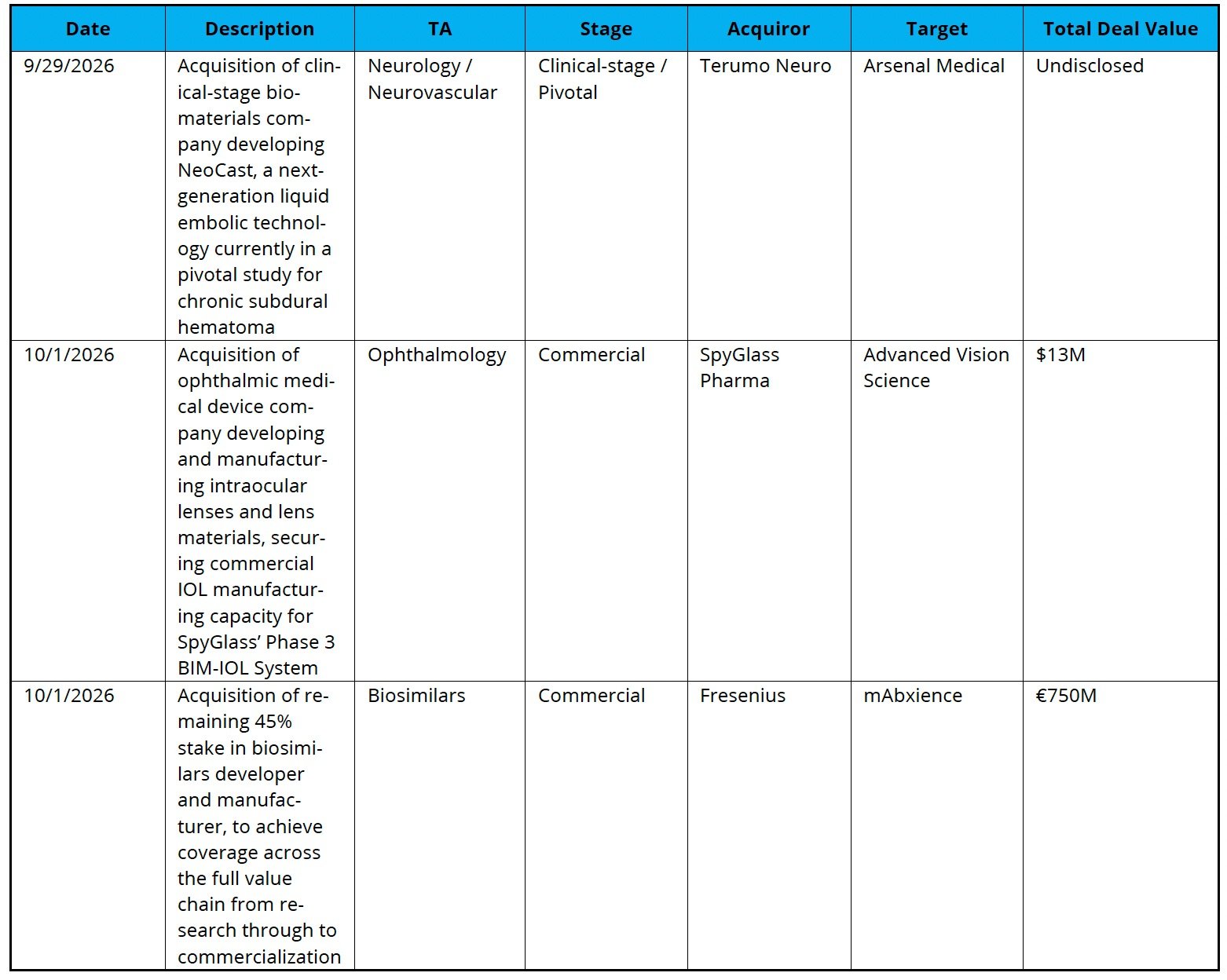
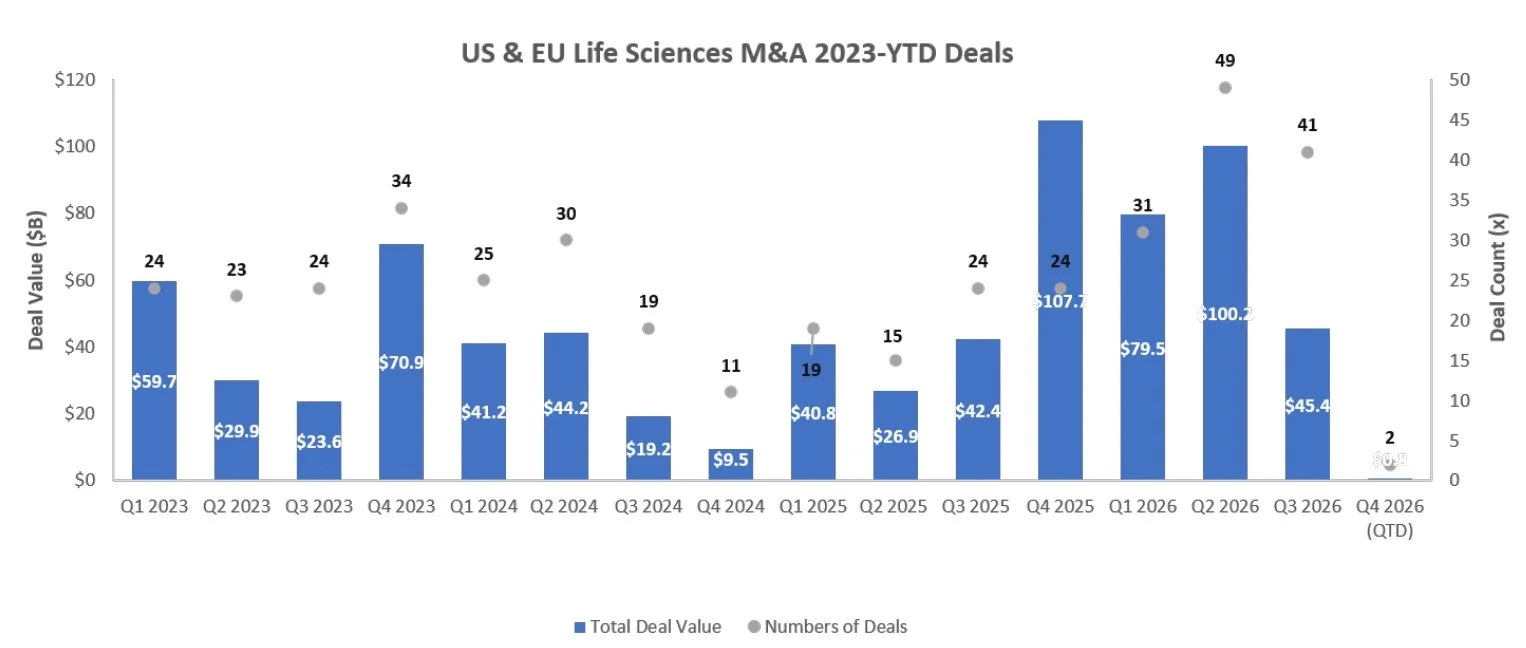
M&A shifted from last week’s large-scale radiopharma consolidation toward capability and value-chain acquisitions. Fresenius’ €750M acquisition of the remaining 45% of mAbxience consolidates biosimilar development and manufacturing, while Terumo Neuro and SpyGlass added adjacent technologies and manufacturing capabilities. The quieter M&A week contrasts with stronger licensing and strategic-investment activity, rather than signaling weaker strategic appetite.
Venture Financing
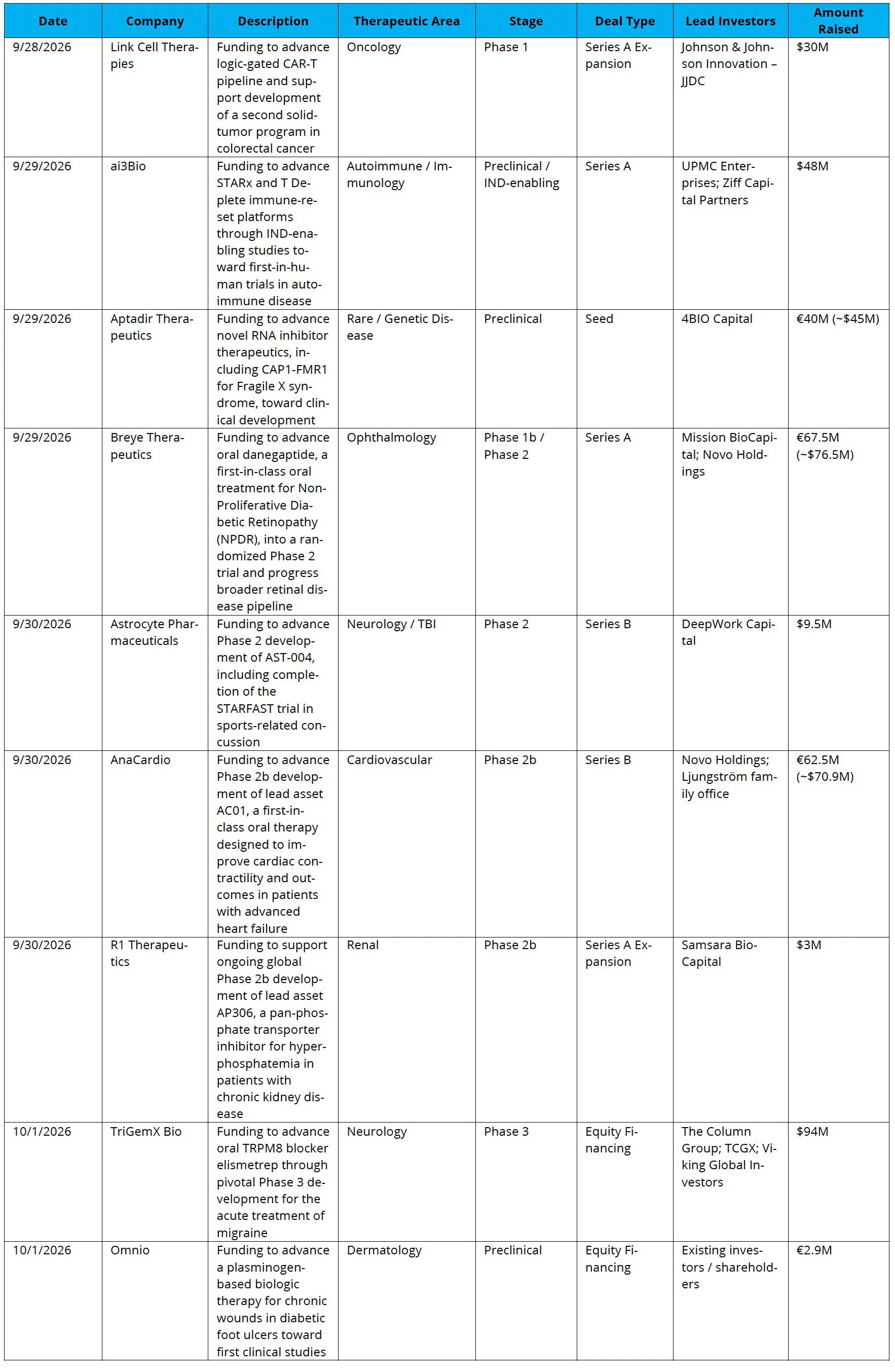
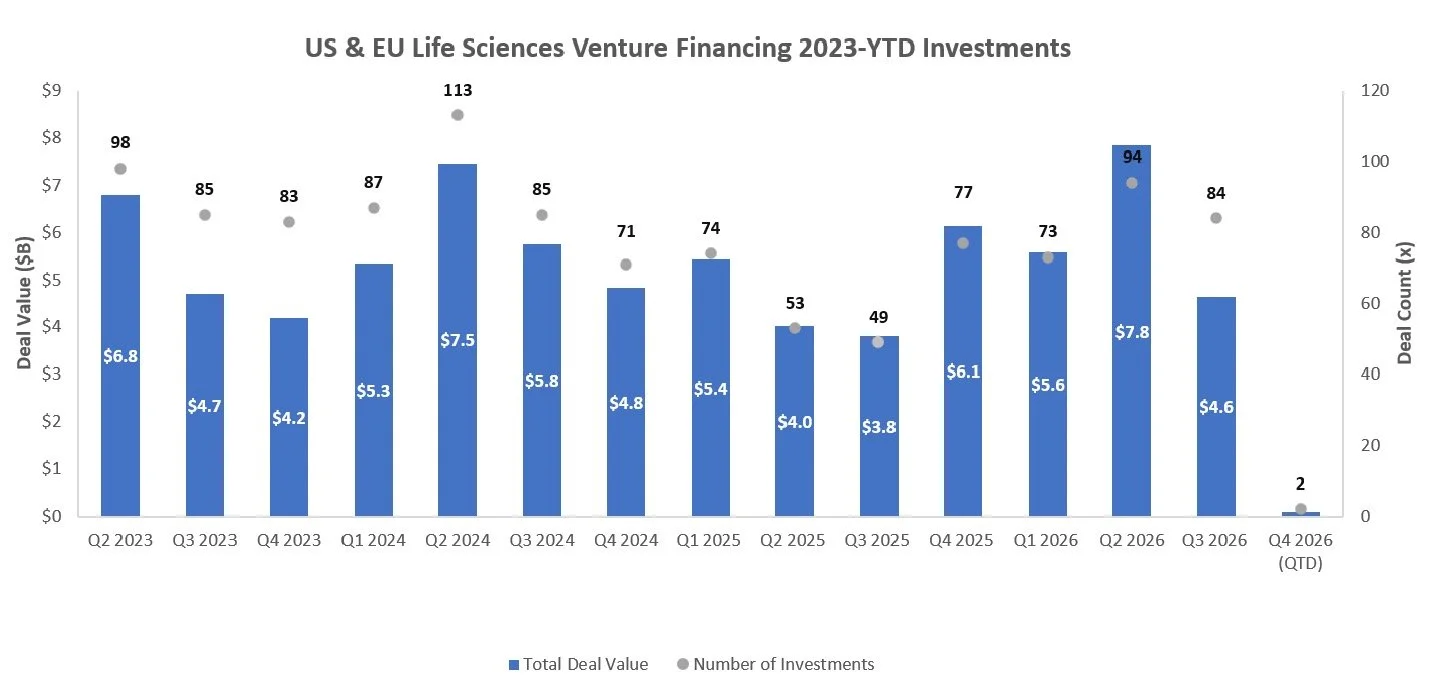
Venture financing remained broad across stages, but larger rounds continued to favor programs approaching meaningful clinical inflection points. TriGemX, Breye, and AnaCardio raised approximately $240M combined to fund Phase 2 through Phase 3 programs, while earlier-stage cell therapy, autoimmune, and RNA platforms also attracted capital. As in public ECM, capital is available, but larger commitments are concentrating around visible value-creating milestones.
The Case for a New Generation of Oral Therapies in Inflammatory Bowel Disease
Back Bay Life Science Advisors and Nimbus Therapeutics
Despite advances in the treatment of inflammatory bowel disease (IBD), many patients with moderate-to-severe ulcerative colitis (UC) and Crohn’s disease continue to experience inadequate disease control with available biologics and targeted therapies.

HEALTHCARE MARKET REPORTS ARCHIVE
-
-
-
-
-
-
April 17, 2026
April 24, 2026 -
-
-
-
-
-
-
-
-
-
-
-
-
-
-
About DNB Carnegie Back Bay
DNB Carnegie Back Bay drives global healthcare growth and innovation by providing a full range of strategic advisory and financing capabilities along the continuum of life science and healthcare company development. The DNB Carnegie Back Bay Healthcare Partnership is a marketing term referring to a strategic agreement between DNB Markets, Inc. and Back Bay Life Science Advisors. More information about the DNB Carnegie Back Bay Healthcare Partnership can be found here.
Securities products and services are offered in the US through DNB Carnegie, Inc., a US-registered broker-dealer and a separately incorporated subsidiary of DNB Bank ASA. DNB Carnegie, Inc. is a member of the Financial Industry Regulatory Authority (“FINRA”) and the Securities Investor Protection Corporation (“SIPC”). Securities products and services are offered in the European Economic Area through DNB Carnegie.